Why visit Mont Saint-Michel?

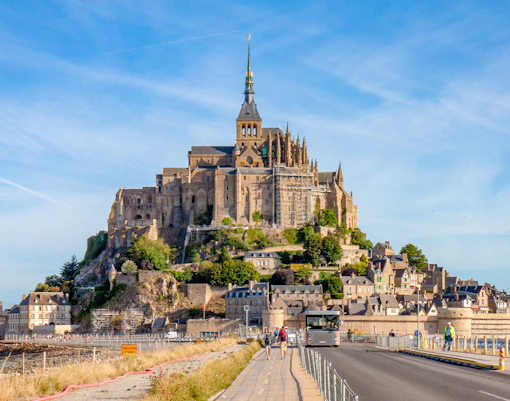
If there’s one place in France where history, architecture, and nature feel almost unreal together, it’s Mont Saint-Michel. Rising from a tidal bay like something out of a storybook, this medieval island is part abbey, part fortress, part village, and completely unforgettable.

See the abbey rise above the sea

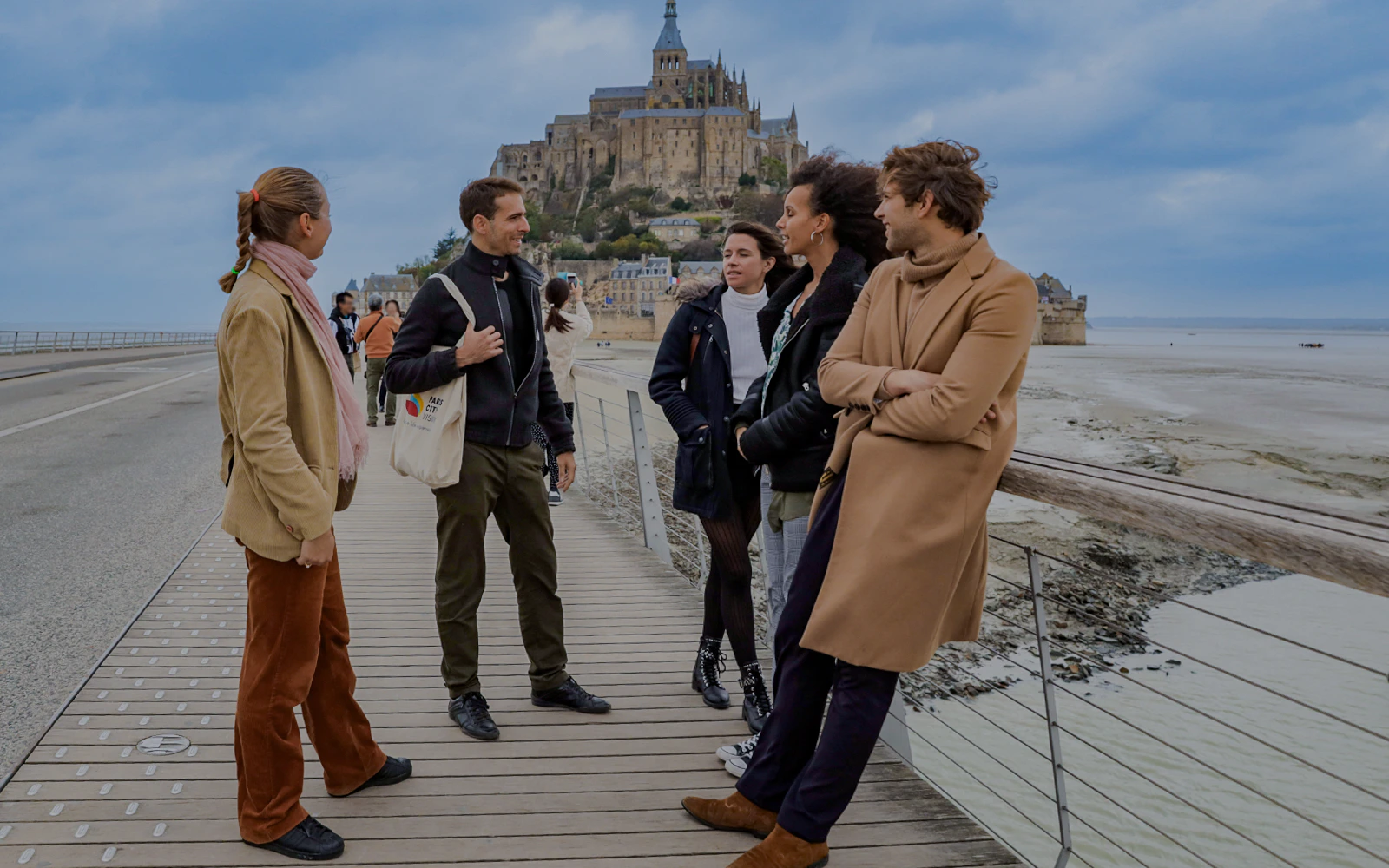
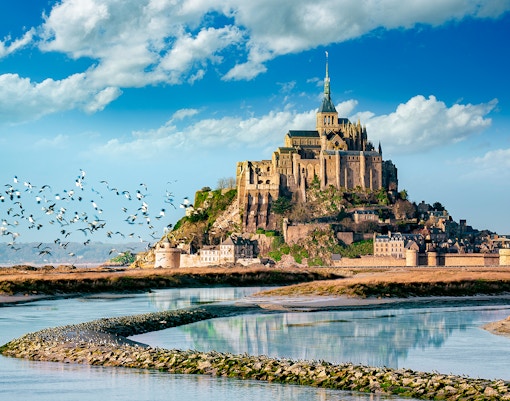
Nothing quite prepares you for the first view of Mont Saint-Michel. The abbey crowns the island like a stone beacon, with spires, ramparts, and steep rooftops stacked dramatically above the bay. As you climb toward the top, every turn reveals another archway, terrace, or sea-facing view.

Walk through a medieval island village
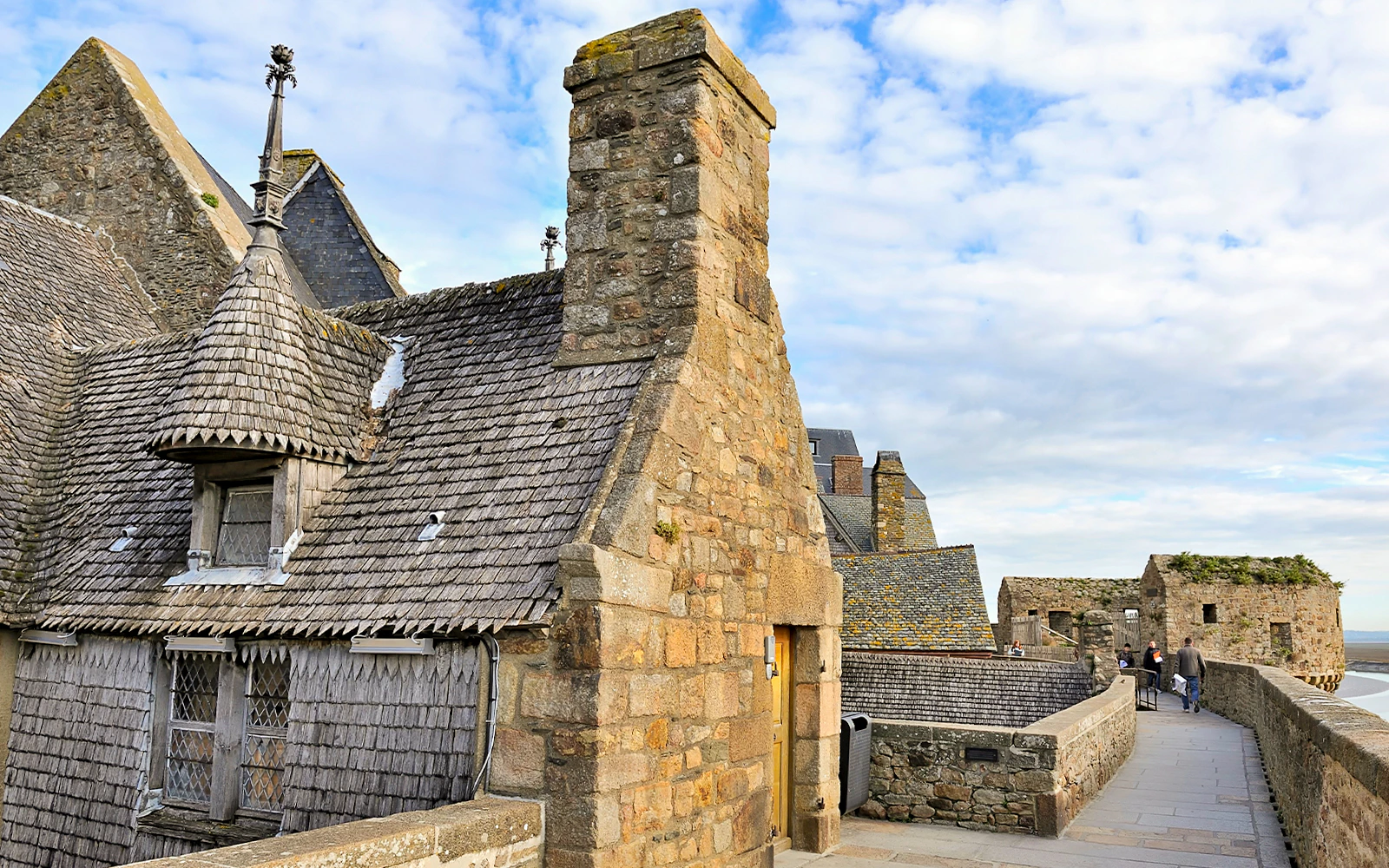
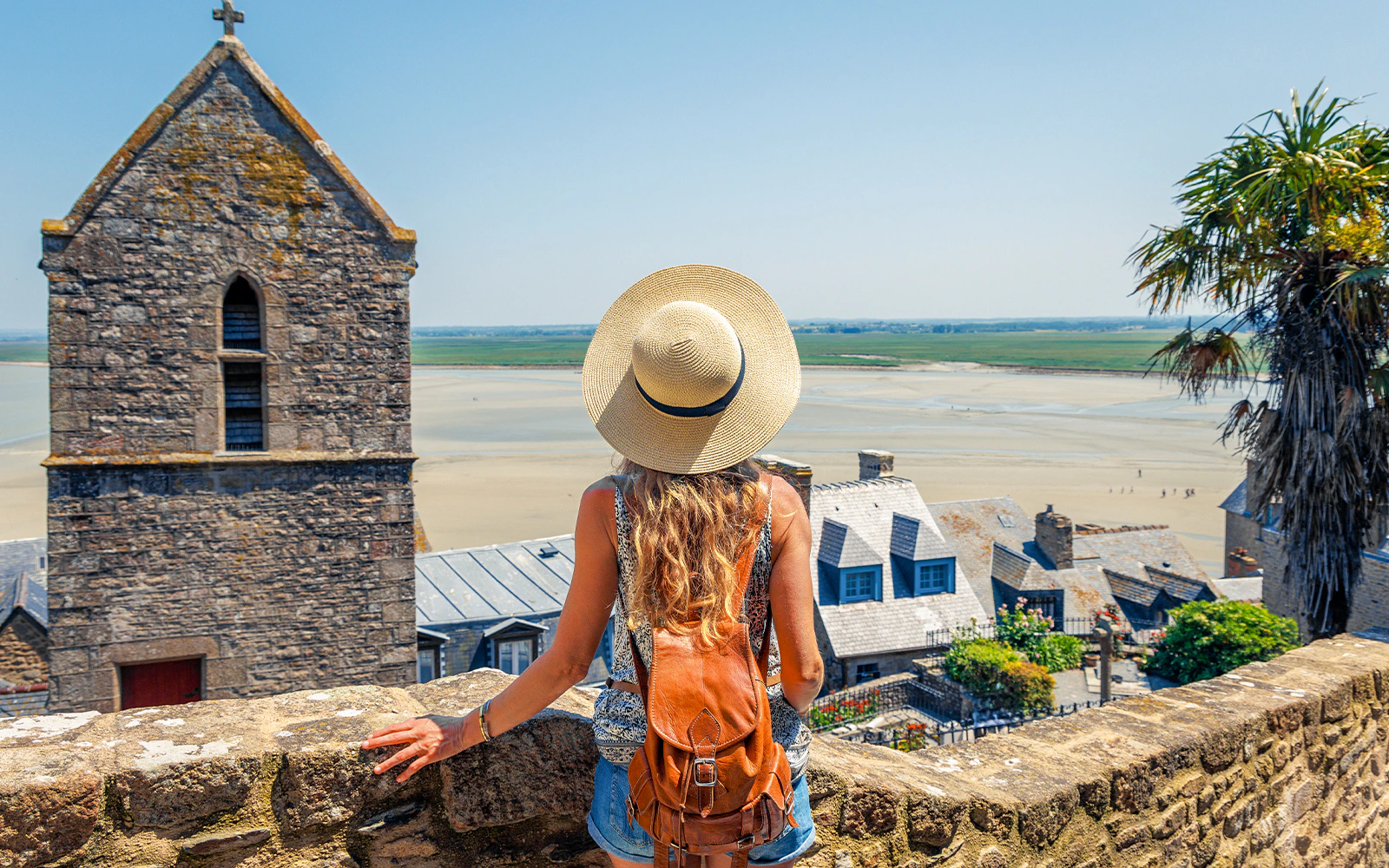
Before you reach the abbey, you pass through narrow lanes lined with stone houses, old inns, tiny shops, and winding stairways. It feels like stepping into the Middle Ages, with the Grand Rue leading you upward through centuries of history. The higher you climb, the more the crowds fade into hidden corners and quiet viewpoints.

Watch the tides transform the landscape
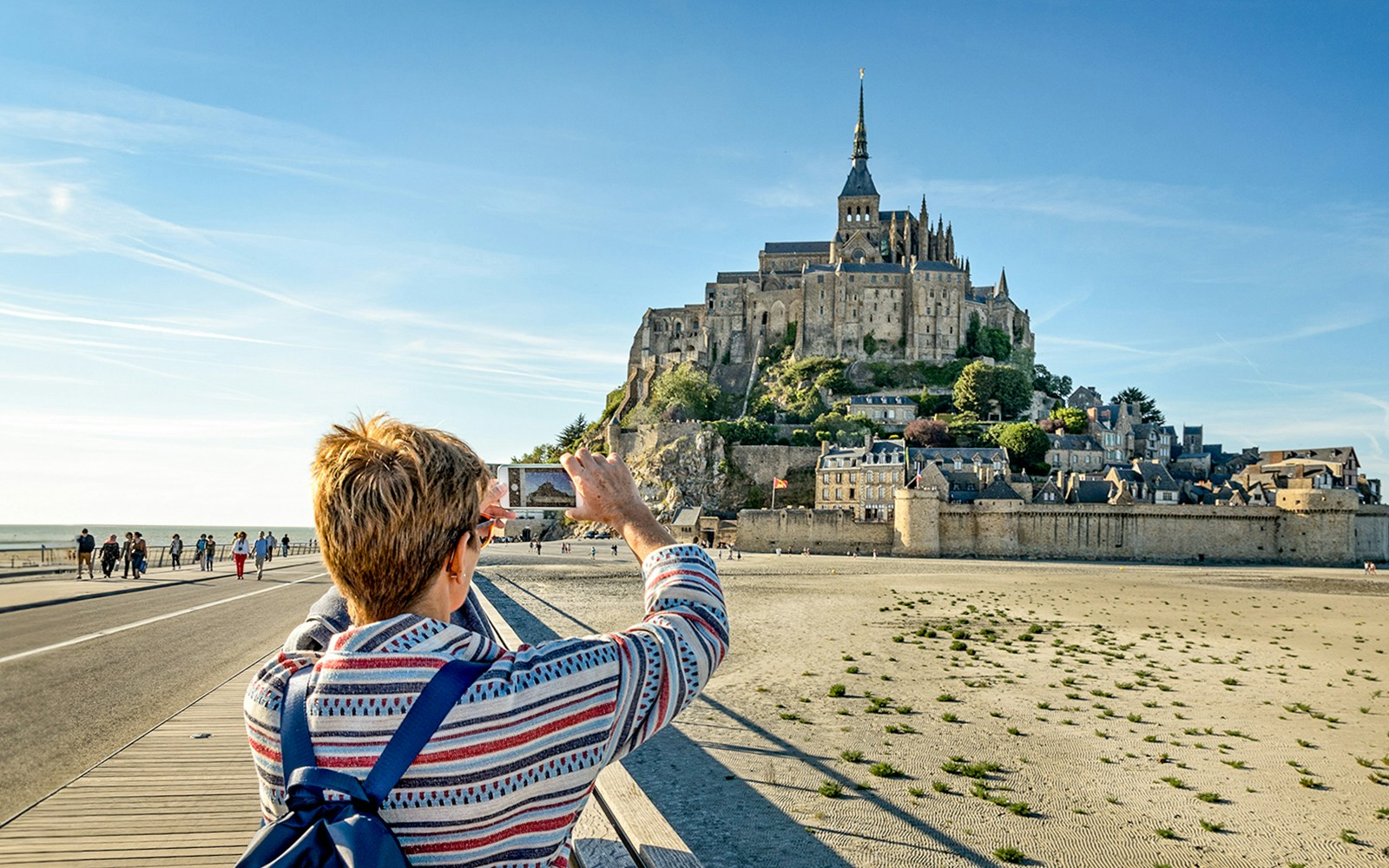
Mont Saint-Michel is shaped as much by the sea as by stone. At low tide, the bay stretches out in wide silver flats; at high tide, water can surround the island and make it feel completely cut off from the mainland. This constant shift is what gives the monument its strange, magical atmosphere.

Discover centuries of faith and fortification

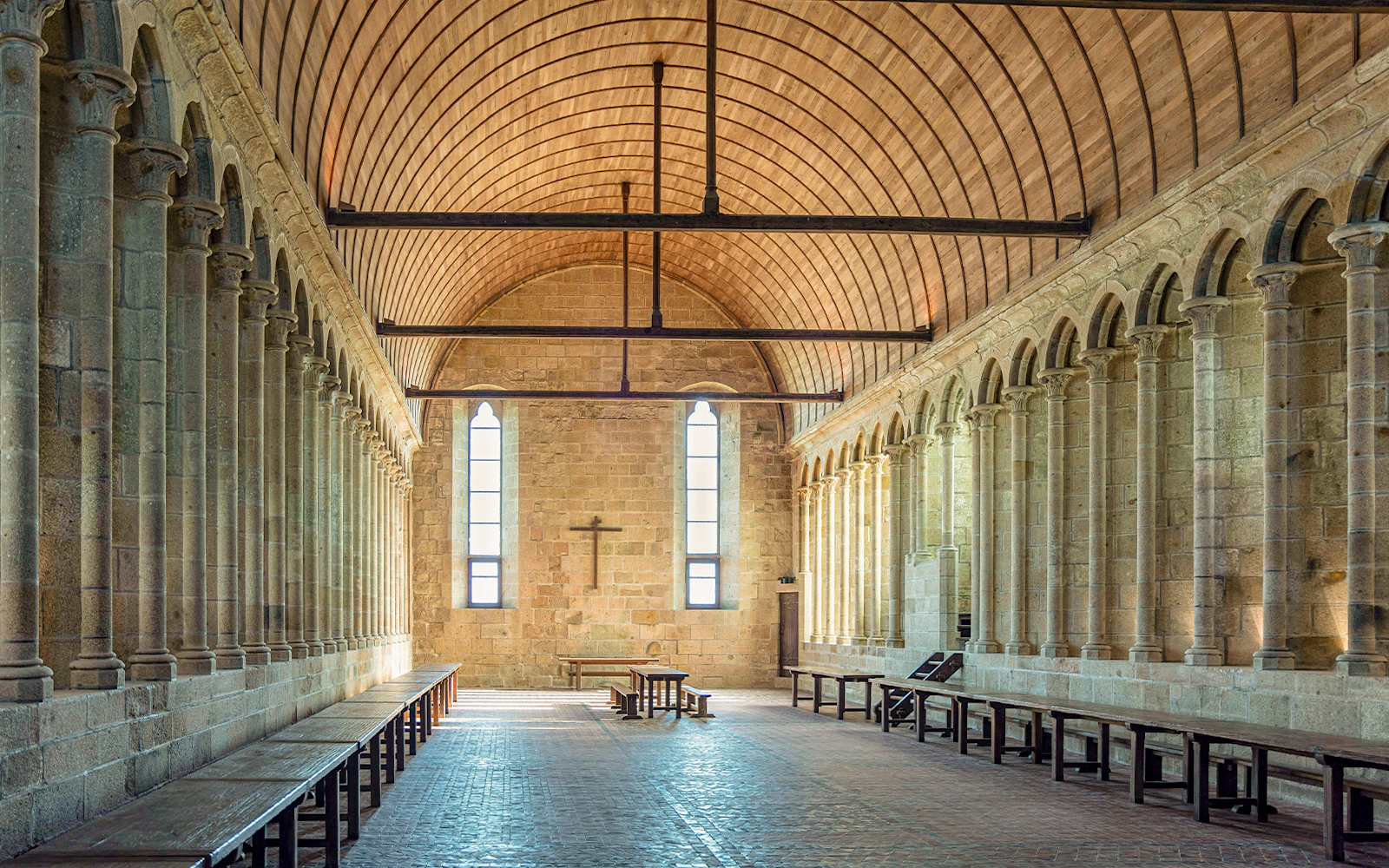
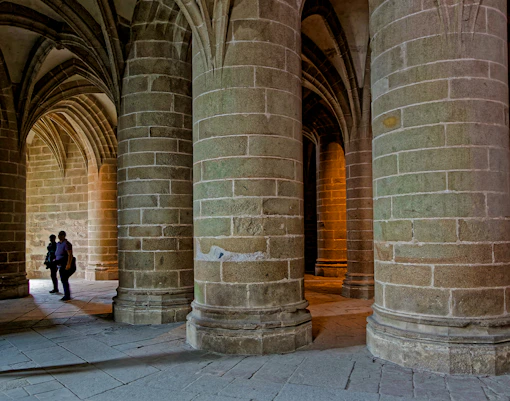
Inside the abbey, you’ll find soaring halls, cloisters, crypts, chapels, and stairways that reveal how monks once lived, prayed, and worked here. Over time, Mont Saint-Michel also became a stronghold, surviving wars and sieges thanks to its steep slopes and strategic position. It’s both a spiritual landmark and a medieval fortress.

What to see at Mont Saint-Michel

Visitor photographing Mont Saint-Michel with smartphone, France.

Mont Saint-Michel Abbey

Perched at the very top of the island, the abbey is the main reason to visit Mont Saint-Michel. Walk through grand halls, chapels, crypts, stairways, and the peaceful cloister while taking in sweeping views of the bay below.

Placeholder Image Headout Blimp

Mont Saint-Michel’s architectural evolution

Before it became one of France’s most iconic landmarks, Mont Saint-Michel was a rocky tidal island known as Mont-Tombe, where a small 8th-century sanctuary dedicated to the Archangel Michael grew into a powerful Benedictine abbey. From the 10th century onward, Romanesque churches, crypts, chapels, and monastic buildings were stacked into the steep granite rock, while the island below developed into a fortified medieval settlement. In the 13th century, La Merveille added some of its finest Gothic spaces, including the cloister, refectory, guest hall, and monks’ hall. After the French Revolution, the abbey became a prison until 1863, before restoration transformed it into a national monument. Today, its architecture reflects every chapter of its past: sanctuary, abbey, fortress, prison, and living pilgrimage site.

History of Mont Saint-Michel

  • 708–709 – According to tradition, Bishop Aubert of Avranches founded the first sanctuary on Mont-Tombe after visions of the Archangel Michael. The first church was consecrated in 709.
  • 966 – Benedictine monks settled on the mount, marking the beginning of Mont Saint-Michel’s rise as an important monastic and pilgrimage center.
  • 11th–12th centuries – The abbey expanded with Romanesque architecture, including crypts, chapels, and the abbey church, built into the steep rock.
  • 13th century – La Merveille was constructed, adding some of the mount’s most celebrated Gothic spaces, including the cloister, refectory, guest hall, and monks’ hall.
  • 14th–15th centuries – During the Hundred Years’ War, Mont Saint-Michel was strengthened with ramparts and defensive walls, helping it resist English attacks.
  • 1789–1863 – After the French Revolution, the abbey was closed as a monastery and used as a prison, earning it the nickname “Bastille of the Seas.”
  • 1874 – Mont Saint-Michel was classified as a historic monument, leading to major restoration efforts that helped preserve the abbey and island.
  • 1979 – Mont Saint-Michel and its bay were inscribed as a UNESCO World Heritage Site, recognizing their cultural, architectural, and natural importance.

Frequently asked questions about Mont Saint-Michel

Mont Saint-Michel is famous for its medieval abbey, dramatic tidal setting, and village built around a rocky island. It is one of France’s most recognizable landmarks and a UNESCO World Heritage Site.